
Motherhood doesn’t always feel the way we were told it would.

Whether you’re pregnant, newly postpartum, or deep into parenting, you might feel overwhelmed, disconnected, anxious, or not like yourself and still love your child fiercely. Or maybe you are experiencing infertility and struggling with the complex grief that comes from desiring motherhood and seeing yet another negative test. You don’t have to be in crisis to deserve support.
Motherhood is a profound transition. It can be deeply meaningful, but it can also bring anxiety, overwhelm, grief, identity shifts, and emotions you didn’t expect.
Infertility and Loss
All our lives we’re told “be careful” like getting pregnant is so easy, only to be faced with negative test after negative test. A journey that was supposed to be exciting can quickly turn into emotional pain: uncertainty, repeated losses, medical procedures, and isolation. It can deeply alter your sense of self and emotional well-being, and disrupt your relationships.
Infertility trauma is ongoing:
Repeated disappointment and grief
Pregnancy loss or failed treatments
Invasive medical procedures
Financial strain
Social isolation
Feelings of shame, guilt, or inadequacy
Loss of the imagined future you expected
High risk pregnancy
Increased anxiety in with any “successful” pregnancies
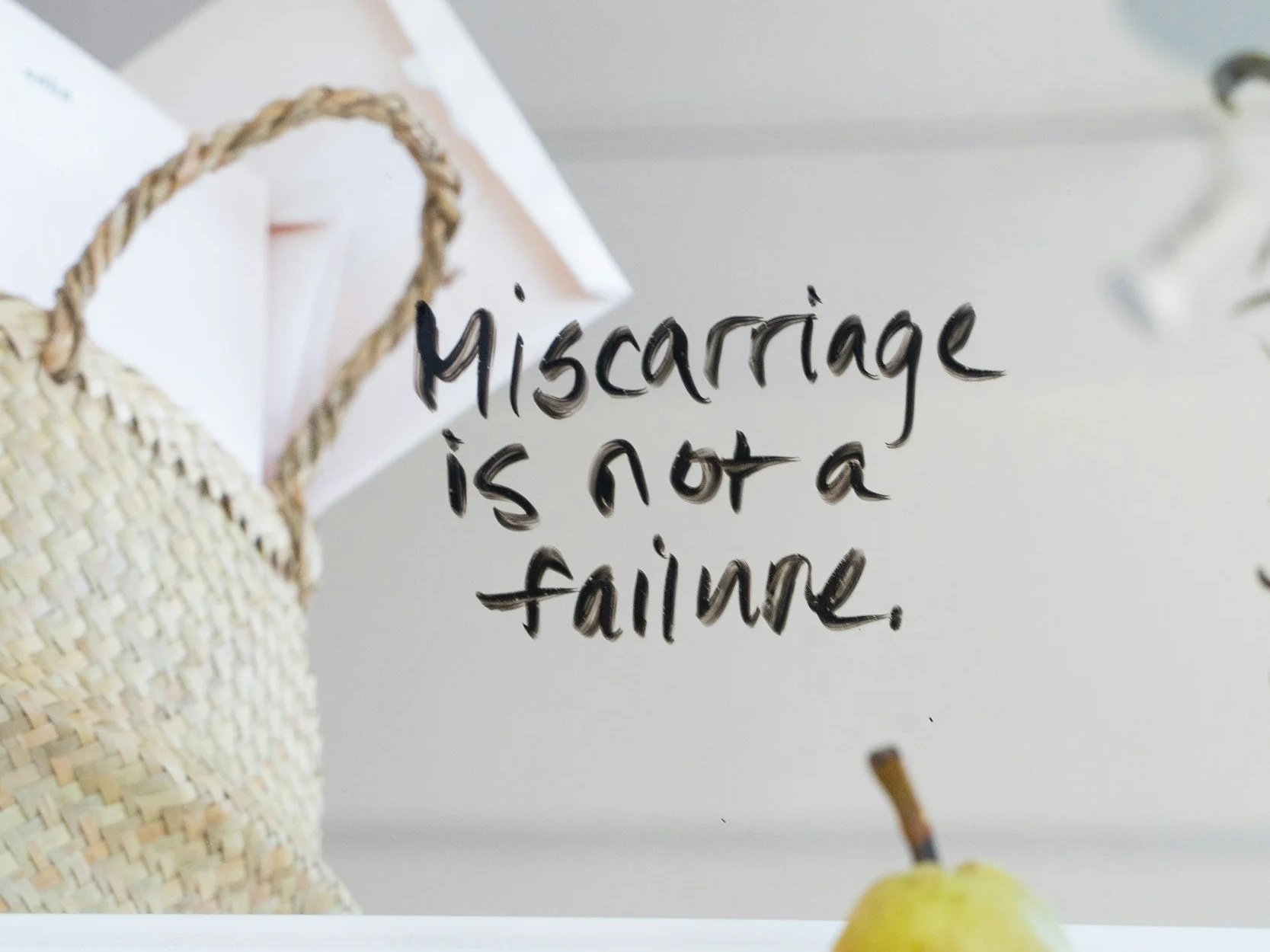
Trauma Informed Support for Infertility and Loss
I can support you in learning how to:
Process grief and loss
Regulate overwhelming emotions
Reduce anxiety around treatments
Strengthen communication
Rebuild hope in realistic, grounded way
Set boundaries that protect your mental well-being
Trying to conceive and pregnancy aren’t just physical experiences. They can deeply impact your mental health, sense of safety, and identity. Many people struggle silently during the ttc period and during pregnancy, believing they should feel a certain way.

Therapy can help if you’re experiencing:
Anxiety or panic
Fear of childbirth or medical procedures
Emotional overwhelm or mood changes
Difficulty connecting to your pregnancy
Stress related to fertility journeys or prior loss
Feeling pressure to “do everything right”

Postpartum and Early Motherhood Support
The postpartum period can be one of the most emotionally intense seasons of life. Sleep deprivation, hormonal shifts, relationship changes, and identity loss can all impact mental health.
I work with moms navigating challenges such as:
Postpartum anxiety or constant worry
Postpartum depression or persistent sadness
Rage, irritability, or emotional numbness
Intrusive thoughts that feel scary or confusing
Difficulty bonding with your baby
Grief for your pre-mom identity
Feeling disconnected, overwhelmed, or alone
Therapy for Moms at any stage

Motherhood doesn’t stop being emotionally complex after the newborn phase. Many moms seek therapy months or even years later when they realize they’ve been putting themselves last.
I can support you with:
Identity changes after becoming a parent
Balancing work, relationships, and motherhood
Chronic guilt or self-criticism
Burnout and emotional exhaustion
Navigating boundaries and expectations
Reclaiming a sense of self
Challenges in balancing motherhood with your marriage, partnership, or friendships
Being the parent you want to be

You’re allowed to ask for support
You don’t have to wait until things feel unbearable to reach out. If you’ve been wondering whether therapy might help, that curiosity alone is reason enough. You don’t have to do this alone.