Military service changes people, sometimes in ways that don’t fully show up until long after the uniform comes off.
Whether you are active duty, Reserve, National Guard, a veteran, or a family member, therapy can be a place to process what you’ve been through without judgment, pressure, or having to “water it down.”

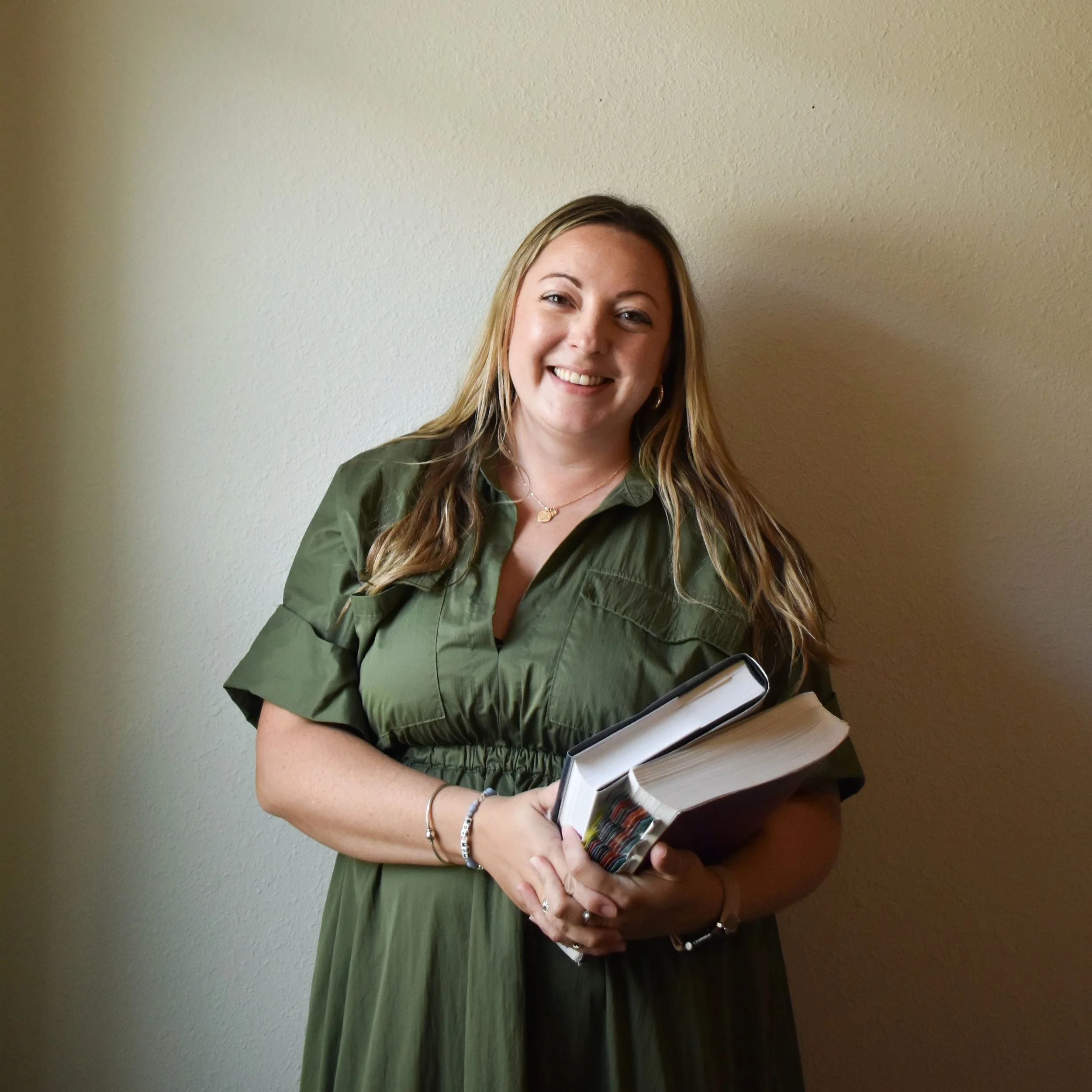
You don’t need a diagnosis, or a crisis, to start therapy. Many service members and veterans come in for:
PTSD and combat-related trauma
Military sexual trauma (MST)
Moral injury and survivor’s guilt
Anxiety, panic, and hypervigilance
Depression and emotional numbness
Reintegration after deployment
Anger, irritability, or difficulty adjusting to civilian life
Sleep disturbances and nightmares
Relationship and family stress
Identity loss after separation or retirement
If something feels “off,” that’s reason enough to reach out.
Military culture is its own world — and therapy should reflect that.
My approach is:
Straightforward and respectful — no fluff, no forced vulnerability
Collaborative — you set the pace and goals
Trauma-informed — grounded in evidence-based care
Strength-focused — we build on what’s already helped you survive
You won’t be pushed to relive experiences before you’re ready. We focus on helping you feel more in control, grounded, and connected — in your body, your relationships, and your life.